
The living room is often the heart of a home. It’s where you host guests, watch movies, or simply relax. The right windows can make this space feel brighter, more spacious, and more connected to the outdoors. But they also need to balance privacy, energy efficiency, and furniture placement.
This guide walks you through the best window types for a living room, how to combine them, and what to consider when placing furniture or a TV. Plus, if you choose ALWEW smart windows, you can add effortless control – voice, app, remote, or a wall switch – to operate them without leaving your couch.
What are the best windows for a living room?
Some window types work better than others in a living room. Two to keep in mind are picture windows and casement windows. Picture windows are fixed – they don’t open – so they offer the best energy efficiency and unobstructed views. Casement windows crank outward, providing excellent ventilation and a tight seal when closed. Another option is sliding windows, which save space but have slightly higher air leakage.
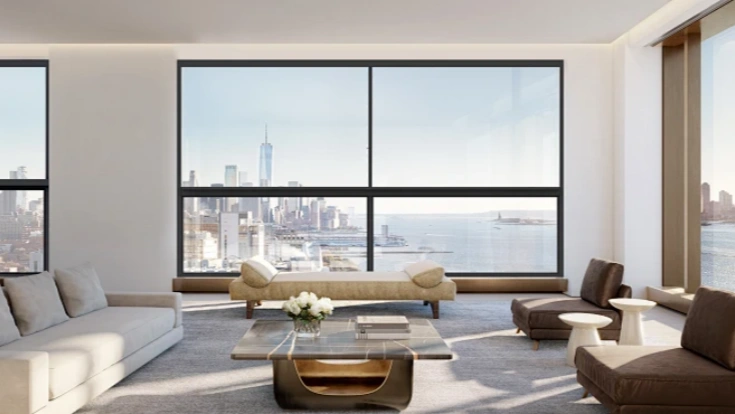
If your living room faces a garden, lake, or city skyline, a large picture window can turn the view into a living painting. Because it doesn’t open, it’s also the most secure and energy‑efficient choice. To bring in fresh air, pair it with casement or awning windows on one or both sides. This combination – a fixed center with operable flanking windows – is sometimes called a “Chicago window.”
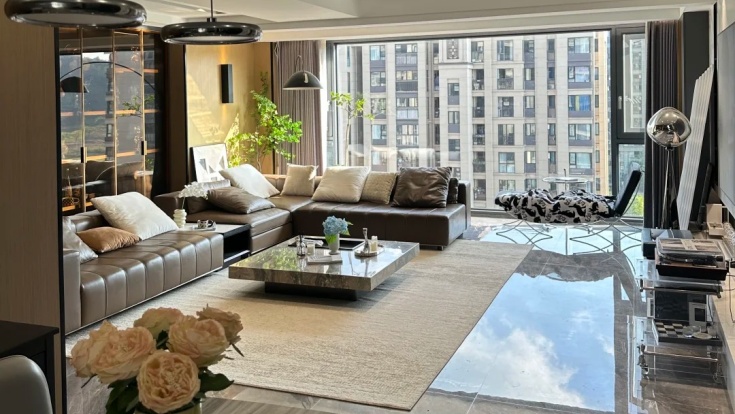
For a more modern look, consider a wall of windows: a series of picture windows with narrow frames, or a large sliding glass door that opens to a patio. These designs flood the room with light and make the space feel larger.
Balancing light, privacy, and furniture
Large windows are wonderful, but they also mean more sunlight, which can fade furniture and create glare on a TV screen. You don’t have to choose between a bright room and protecting your belongings. Here are a few strategies:
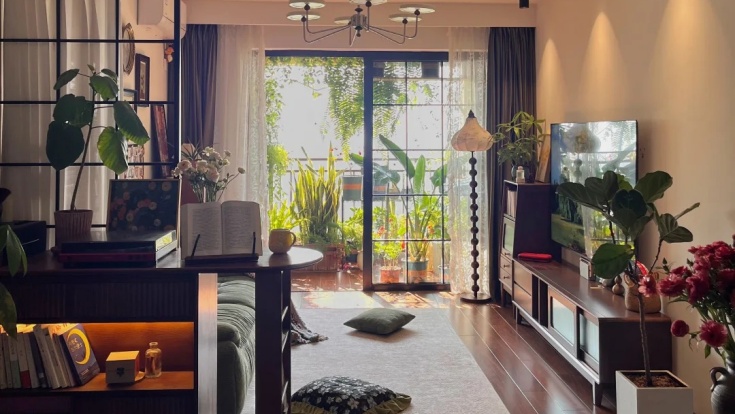
Place your couch or sofa away from direct sunlight – position it perpendicular to the window, or use the center of the room as a gathering point.
Raise the window height – if you’re building or renovating, you can place the window higher on the wall. This allows light to enter while leaving wall space below for furniture.
Use window treatments – roller shades, curtains, or blinds can block harsh afternoon sun. ALWEW’s smart windows can be integrated with automated shades that open or close on a schedule.
Consider the TV placement – avoid putting the TV directly opposite a large window. Instead, place it on a side wall, or use blackout curtains when watching during the day.
If you already have a fireplace in your living room, windows and the fireplace don’t have to compete. A picture window above the fireplace (a high clerestory) can draw the eye upward, or you can flank the fireplace with two casement windows. Both approaches work in traditional or modern homes.
Place your couch or sofa away from direct sunlight – position it perpendicular to the window, or use the center of the room as a gathering point.
Raise the window height – if you’re building or renovating, you can place the window higher on the wall. This allows light to enter while leaving wall space below for furniture.
Use window treatments – roller shades, curtains, or blinds can block harsh afternoon sun. ALWEW’s smart windows can be integrated with automated shades that open or close on a schedule.
Consider the TV placement – avoid putting the TV directly opposite a large window. Instead, place it on a side wall, or use blackout curtains when watching during the day.
Window frame material and smart operation
For living rooms, aluminum frames with a thermal break offer a good balance of strength, slim profiles, and energy efficiency. They are available in a wide range of colors, including wood‑grain finishes that mimic natural timber. Unlike wood, aluminum won’t warp, rot, or require repainting.
With ALWEW smart windows, you can add electric opening systems to casement or sliding windows. This means you can open or close a window by voice command, a mobile app (from anywhere), a small remote, or a wall switch. Imagine lying on the sofa, saying “open the left window,” and feeling a gentle breeze – without getting up. During a summer storm, you can close all windows from your phone while you’re still at work. Smart operation adds convenience without changing the window’s clean appearance.
Window combinations for different living room layouts
Not every living room is the same. Here are a few popular configurations:
Single large picture window – ideal for rooms with a spectacular view. Place it on the main wall, and add a sofa facing it. Use casement windows on adjacent walls for ventilation.
Three‑window “Chicago” layout – a picture window in the center, flanked by two casement or double‑hung windows. This is symmetrical and works well in traditional homes.
Corner windows – two picture windows meeting at a corner. This removes visual barriers and makes the room feel like an indoor‑outdoor space. You can make one of them operable (casement) for airflow.
Sliding glass door as a window – in a living room that opens to a patio or balcony, a sliding door can serve as both a window and an exit. ALWEW’s smart sliding doors can be motorized for push‑button or voice operation.
When planning, think about where the sun rises and sets. East‑facing windows give bright morning light; west‑facing windows bring strong afternoon sun, which may require shading. North‑facing windows provide consistent, soft light; south‑facing windows (in the Northern Hemisphere) offer passive solar heat in winter.
Single large picture window – ideal for rooms with a spectacular view. Place it on the main wall, and add a sofa facing it. Use casement windows on adjacent walls for ventilation.
Three‑window “Chicago” layout – a picture window in the center, flanked by two casement or double‑hung windows. This is symmetrical and works well in traditional homes.
Corner windows – two picture windows meeting at a corner. This removes visual barriers and makes the room feel like an indoor‑outdoor space. You can make one of them operable (casement) for airflow.
Sliding glass door as a window – in a living room that opens to a patio or balcony, a sliding door can serve as both a window and an exit. ALWEW’s smart sliding doors can be motorized for push‑button or voice operation.


