
A good night’s sleep is one of the most important things for your health. Lack of sleep has been linked to everything from general irritability to more serious conditions like high blood pressure, diabetes, and depression. Exercise and bedtime routines help, but they‘re not always enough. If you live in a typical neighborhood, you know the noise — construction, traffic, airplanes, barking dogs, lawn equipment. All of it can disturb your sleep.
High-quality windows can make a real difference. They help create a calmer, quieter home that’s more conducive to rest.
How windows reduce noise
Sound travels through vibrations. Windows that slow down or block those vibrations will help create a quieter indoor environment. Thick, rigid glass and air spaces between panes slow down sound vibrations. Good weatherstripping and seals also help — anything that blocks air will also block noise.
Installation matters too. If a window is not properly installed, sound, water, and air can all seep in.
In general, the more layers of glass, the more sound is blocked. A dual-pane window (two layers of glass with an air space in between) blocks more noise than the single-pane windows found in older homes. Triple-pane windows add an extra layer of glass and an extra air space, improving performance even further.
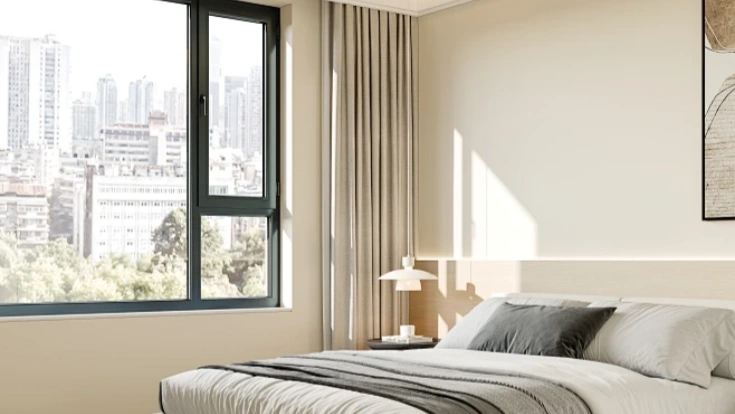
ALWEW‘s approach to sound insulation
ALWEW windows are engineered with sound insulation as a core priority. Independent testing has shown that ALWEW’s multi-chamber aluminum profiles and advanced glazing can effectively block up to 45 decibels of outside noise. That means even with traffic or construction outside, closing the windows brings your home back to a quiet, peaceful state.
Key features that contribute to this performance:
Multi-chamber aluminum profiles – The structural design reduces vibration transmission and improves overall sound blocking.
High-performance insulating glass – Warm-edge spacers and gas-filled cavities reduce heat loss and provide superior sound insulation.
Premium sealing system – Silicone wool pile combined with EPDM rubber strips creates an airtight barrier that blocks both air and noise.
Optional laminated glass – Available as an upgrade, laminated glass is better at reducing sound than standard glass due to its glass-with-film composition.
Thicker glass options – Configurations like 6+24A+6mm, 8+20A+8mm, and 10+18A+10mm provide additional mass to block sound transmission.
ALWEW windows are rated at Sound Insulation Level 4 to 5 (depending on the series), which corresponds to strong noise-blocking performance suitable for bedrooms, nurseries, and other quiet spaces.
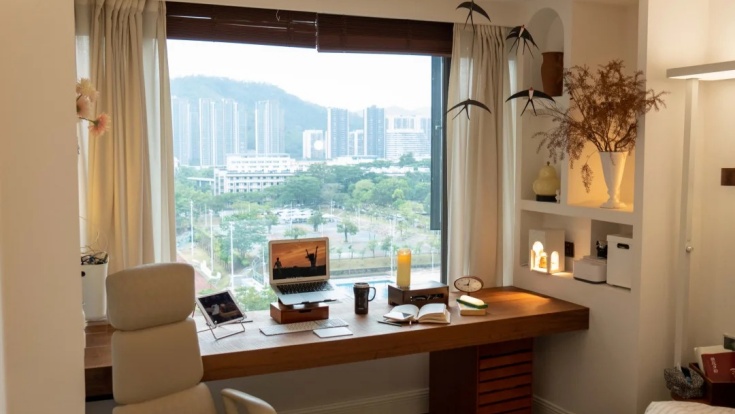
Multi-chamber aluminum profiles – The structural design reduces vibration transmission and improves overall sound blocking.
High-performance insulating glass – Warm-edge spacers and gas-filled cavities reduce heat loss and provide superior sound insulation.
Premium sealing system – Silicone wool pile combined with EPDM rubber strips creates an airtight barrier that blocks both air and noise.
Optional laminated glass – Available as an upgrade, laminated glass is better at reducing sound than standard glass due to its glass-with-film composition.
Thicker glass options – Configurations like 6+24A+6mm, 8+20A+8mm, and 10+18A+10mm provide additional mass to block sound transmission.
How to compare sound performance
Two measurements are commonly used to compare sound performance: Sound Transmission Class (STC) and Outdoor-Indoor Transmission Class (OITC). For both, the higher the number, the better.
A typical dual-pane window has an STC rating of 25–30. If noise reduction is a major concern, look for windows in the 30–35 STC range.
STC rating guide:
STC 25–30: Most dual-pane windows perform at this level. You‘ll be able to hear and understand a loud conversation happening outside.
STC 30–35: An elevated level of sound attenuation. You might hear a loud outdoor conversation but wouldn’t be able to make out the words.
STC 35–40: A high level of sound performance. Even loud conversations are hardly audible.
ALWEW‘s advanced glazing and sealing systems are designed to achieve performance in the higher range, making them a strong choice for noise-sensitive spaces.
STC 25–30: Most dual-pane windows perform at this level. You‘ll be able to hear and understand a loud conversation happening outside.
STC 30–35: An elevated level of sound attenuation. You might hear a loud outdoor conversation but wouldn’t be able to make out the words.
STC 35–40: A high level of sound performance. Even loud conversations are hardly audible.
Where to prioritize soundproof windows
You know where noise reduction is most needed in your home. Consider upgraded windows in these areas:
Bedrooms – Where you sleep. This is the most important place for noise reduction.
Balconies – If you live near a busy street or have neighbors close by.
Kitchens – Especially if your kitchen faces a street or has windows that open to noise sources.
ALWEW offers smart electric operation for windows in hard-to-reach places — voice control, app, remote, or wall switch — so you can open and close them without getting up.
Bedrooms – Where you sleep. This is the most important place for noise reduction.
Balconies – If you live near a busy street or have neighbors close by.
Kitchens – Especially if your kitchen faces a street or has windows that open to noise sources.
Additional tips for a quieter home
Upgrade from single-pane – If your home still has single-pane windows, replacing them with dual-pane or triple-pane will make a dramatic difference.
Check your seals – Worn weatherstripping lets in both air and noise. Replacing it is a low-cost improvement.
Consider laminated glass – If you‘re replacing windows in a bedroom, laminated glass is worth the upgrade.
Proper installation – Even the best window will underperform if it’s not installed correctly. Use experienced installers.
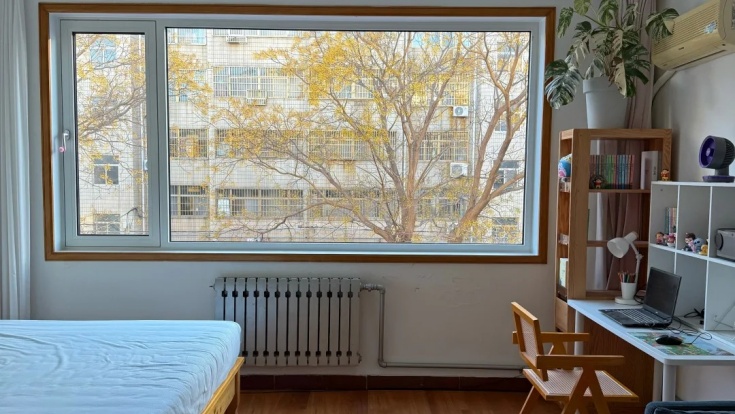
Upgrade from single-pane – If your home still has single-pane windows, replacing them with dual-pane or triple-pane will make a dramatic difference.
Check your seals – Worn weatherstripping lets in both air and noise. Replacing it is a low-cost improvement.
Consider laminated glass – If you‘re replacing windows in a bedroom, laminated glass is worth the upgrade.
Proper installation – Even the best window will underperform if it’s not installed correctly. Use experienced installers.


