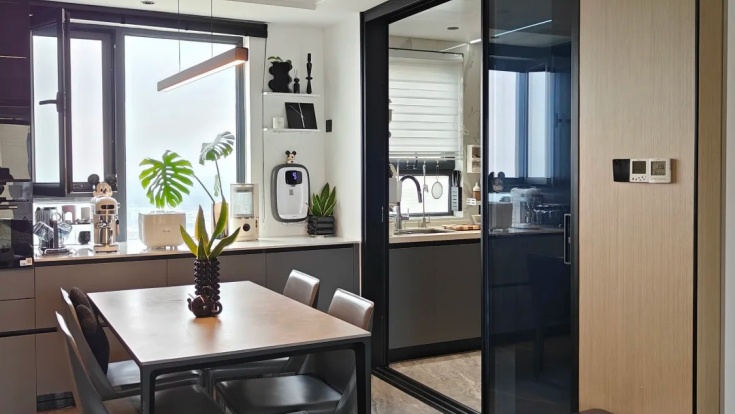
Over the past few years, the way we use our homes has shifted dramatically. Dining rooms, once reserved for holiday dinners and special occasions, have become makeshift offices, virtual classrooms, game rooms, and workspaces. The dining table turned into a desk for parents and children working side by side. It became a place for puzzles, projects, and everyday meals.
This change in function has also changed how we think about the room itself. Formal is out. Casual and flexible are in. And that shift is reflected in how dining rooms are being designed today.
More glass, more light
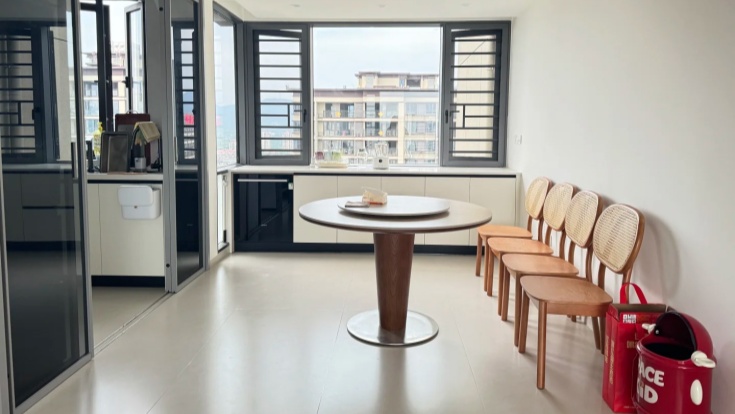
As dining rooms become more casual and used more frequently, they also need to feel more inviting. One clear trend is more glass. Homeowners are choosing larger windows to flood the space with natural light. Instead of dark, formal spaces with heavy drapes, dining rooms are becoming brighter and more open.
Sliding doors and large picture windows are finding their way into dining areas, sometimes wrapping around two or even three sides of the room. This brings in daylight for longer periods throughout the day, making the space feel larger and more connected to the outdoors.
ALWEW's slim-frame aluminum windows and doors are well suited for this shift. The narrow profiles mean more glass and less frame, so light flows in without obstruction. And with smart electric opening, you can let fresh air in without interrupting the flow of a meal.
Black and white – and everything in between
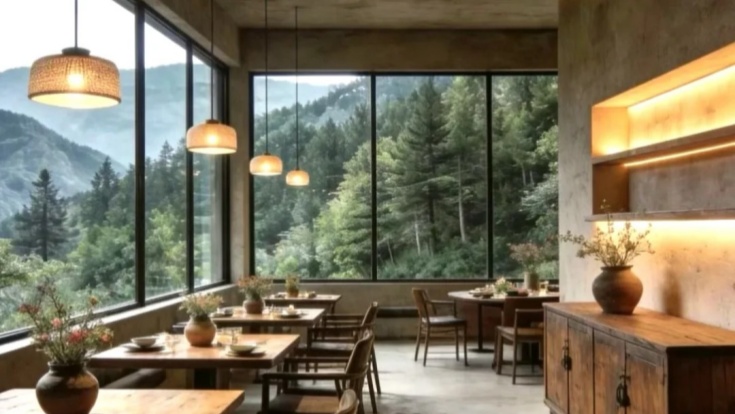
Window finishes are following the shift toward modern simplicity. White remains a classic choice, but black window frames are becoming increasingly popular. The contrast of dark frames against light walls creates a crisp, contemporary look that works well in both new builds and renovations.
For homeowners who want a warmer feel, ALWEW offers wood-grain finishes on aluminum frames, giving the appearance of timber without the upkeep. The clean lines of thermally broken aluminum frames suit both traditional and modern dining spaces.
Relaxed interiors
With more windows and doors, there is less wall space for traditional wallpaper or heavy treatments. Instead, designers are turning to bright white and warm cream paint colors to keep the room feeling open and airy. Natural materials like wood, rattan, and woven textures are appearing on tables, chairs, and flooring.
The dining room is becoming a place where people actually want to spend time, not just a room to walk through. Lighter, more casual furnishings replace heavy formal pieces. The goal is comfort without sacrificing style.
Making the dining room work harder
The dining room of the future is not just for dining. It's a space that can adapt. It might be a homework station in the morning, a lunch spot at midday, and a gathering place for dinner and games in the evening. Large windows and doors that open to a garden or patio extend the room outdoors when the weather is good.
With ALWEW's smart controls, you can open a window or sliding door without leaving the table. Voice commands, a remote, or a wall switch let you let in fresh air or close up when the temperature drops. It's a simple way to make the room work better for however you are using it that day.