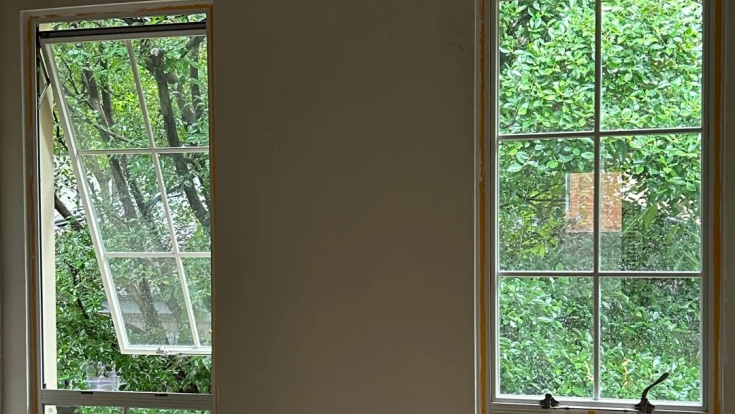
Not all windows open the same way. Some swing outward. Some slide sideways. Some tilt from the top. Some don't open at all.
Most people don't think about this until they have to choose windows for their home. And then they realize there are more options than they expected.
Here is a simple look at how different windows open and where each one works best.
The ones that swing out
Casement windows open outward like a door. A handle turns, and the window swings open on side hinges. They let in lots of air because the whole window opens. There is nothing in the middle to block the breeze.
Where they work well: Living rooms, bedrooms, anywhere you want good airflow and a clear opening.
The catch: They need space outside to swing open. If your window faces a walkway, a balcony, or another wall, they might not be practical.
The ones that slide sideways
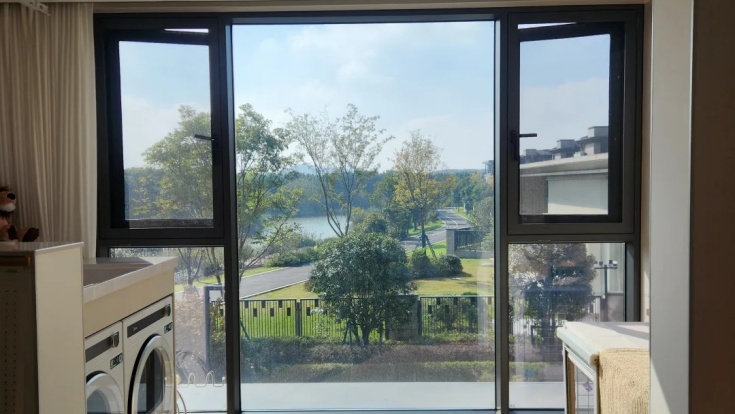
Sliding windows move along a track. One panel stays fixed, the other slides open. They don't need any space outside, which makes them useful in tight spots.
Where they work well: Kitchens, bathrooms, and anywhere there is not enough room for a window to swing out.
The catch: Only half the window opens at any time. The other half stays closed. Less air comes in compared to a casement window.

The ones that tilt from the top
Awning windows are hinged at the top and tilt outward from the bottom. They open like a small awning or canopy. The opening is not as wide as a casement window, but they can stay open even in light rain without water getting in.
Where they work well: Bathrooms, kitchens, and anywhere you want ventilation even when it's drizzling.
The catch: They let in less air than casement windows. The opening is smaller because the sash only tilts out.