
There is something about morning light that feels different from afternoon light. It's softer. Slower. The way it falls across the floor changes as the day goes on.
The sun moves. And your window catches it differently at every hour.
The same window, different hours
At sunrise, the light comes in low and long. It stretches across the room. It hits the floor and spills onto the walls.
At noon, the light comes straight down. It doesn't reach as far into the room. The space near the window is bright, but the back of the room stays dim.
In the late afternoon, the light returns. It comes from the other side of the sky. The shadows stretch in the opposite direction.
It is the same window. But the light is never the same twice.
The window that faces the sun
If your window faces east, the morning light fills your room. You wake up with the sun. The room feels awake and alive.
If your window faces west, the afternoon sun pours in. It is hotter. It lasts longer. You feel it in the evening.
If your window faces north, the light stays steady all day. It does not change as much. It is softer. Easier on the eyes.
If your window faces south, the sun passes across it all day long. Light and heat come and go with the hours.
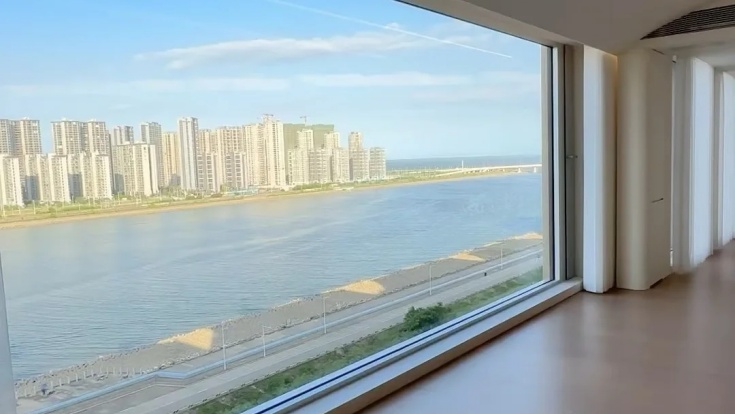
Why this matters
Most people think about windows during the day. They think about the view. They think about whether the window looks good from outside.
But the light through your window changes how the room feels. A room that catches the morning sun feels fresh. A room that catches the afternoon sun feels warm and heavy. A room that doesn't catch much sun feels still and calm.
The same room can feel like three different rooms depending on what time it is.
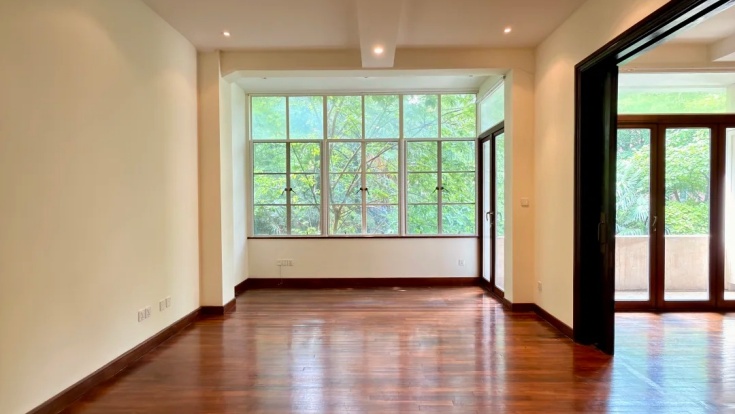
How to choose with light in mind
If you want natural light in the morning, choose windows that face east.
If you want natural light in the evening, choose windows that face west.
If you want steady light all day, choose windows that face north.
If you want the most light overall, choose windows that face south.
And if you want to control the light, add shades or blinds. You cannot change where the sun comes from, but you can soften the light that comes through.
The window that knows the time
Your window does not have a clock. But it knows what time it is. The light that comes through tells you without you noticing.
Morning light, afternoon light, evening light. Every hour looks different through the same piece of glass.
That is one of the quietest things about a good window. It shows you time passing without making a sound.