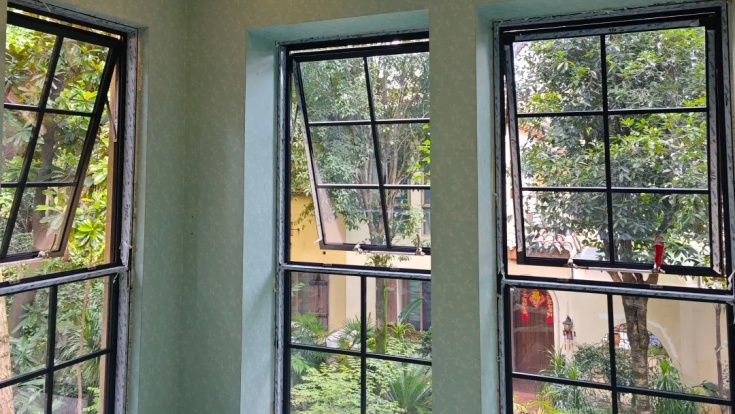
When you choose a window, you think about size, glass, and frame colour. You might not think about which way it opens.
But you should.
The direction your window opens affects everything. How much air comes in. Whether it bumps into things. How easy it is to use. Whether you actually open it or not.

The window that opens out
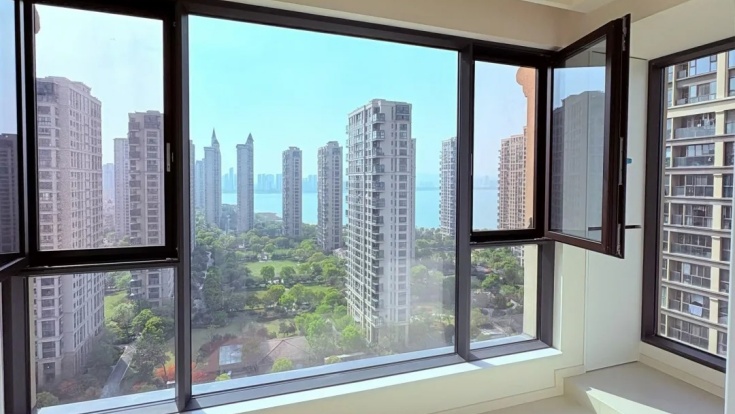
Casement windows open outward. They catch the wind and bring it in. They do not take up any space inside the room.
But they need space outside. If there is a walkway, a balcony, or a wall nearby, the window might not open fully. Or it might hit something.
Check what is outside before you choose.
The window that opens in
Some windows open inward. They are easy to clean from inside. You do not need to lean out.
But they take up space inside the room. They can block curtains. They can get in the way of furniture. If you have shelves or blinds near the window, an inward-opening window will hit them.
The window that slides
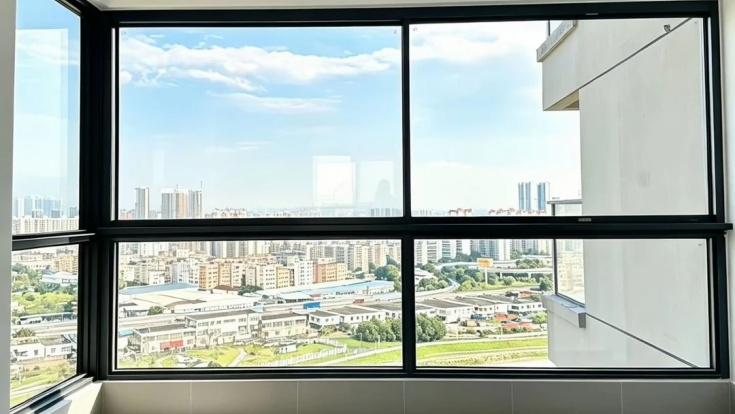
Sliding windows do not open out or in. They slide sideways. They do not need space inside or outside. They are simple and practical.
But only half of the window opens at any time. Less air comes in compared to a casement window.
The window that tilts
Awning windows tilt outward from the bottom. They let air in but do not take up much space. They work well in bathrooms and kitchens.
They do not open as wide as casement windows, but they are easier to leave open when it rains.