
Sunrooms with windows have become an increasingly important architectural solution in residential, hospitality, and light commercial construction. For developers, contractors, and building material distributors, a modern sunroom is no longer just an aesthetic extension—it is a structural system that must meet energy, durability, and installation standards while aligning with contemporary facade design concepts.
The Role of Windows in Modern Sunroom Construction
A sunroom is essentially a transparent building envelope. Its performance depends heavily on the window system used—from frame materials to glazing configuration and installation accuracy. Poorly selected windows can lead to heat loss, condensation, water leakage, and structural stress.
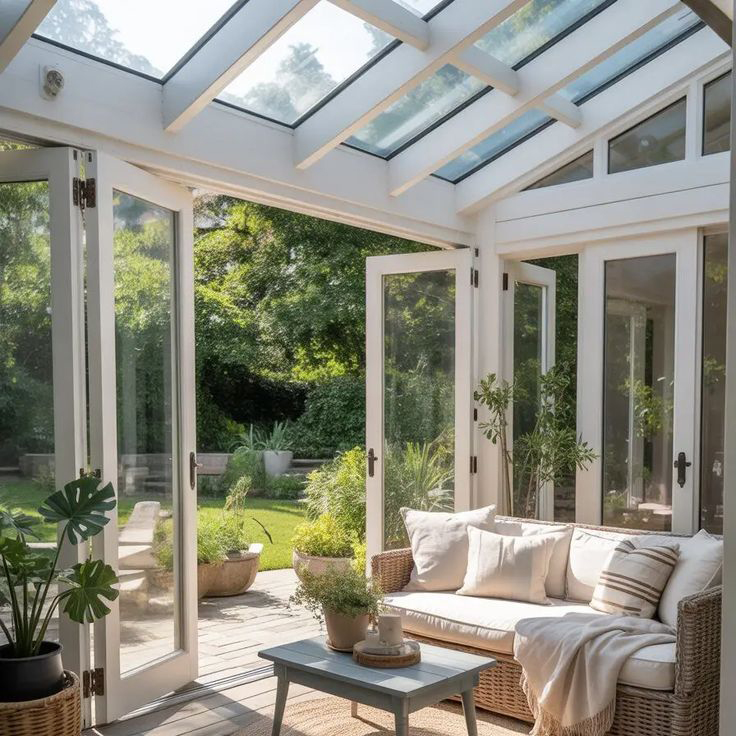
High-quality energy efficient aluminum windows are widely adopted in modern sunroom projects because they offer strength, corrosion resistance, and flexibility in large-span designs. When combined with advanced thermal break technology, aluminum systems can meet stringent energy requirements without sacrificing slim sightlines or structural stability.
Energy Performance and Building Material Selection
Energy efficiency is now a baseline requirement rather than an optional upgrade. In sunroom construction, this means aligning window systems with broader energy efficient building materials such as insulated roofing panels, low-E glazing, and high-performance sealants.
A well-designed sunroom relies on coordinated thermal system insulation, where windows, wall panels, and roof structures function as a unified thermal barrier. Multi-layer glazing, warm-edge spacers, and insulated aluminum profiles help reduce heat transfer and improve indoor comfort across seasonal changes.
For buyers, specifying compatible materials early in the design stage helps avoid costly retrofits and ensures compliance with regional energy codes.
Water Resistance and Testing Standards for Window Systems
Sunrooms are more exposed to environmental stress than standard interior spaces. Rain, wind pressure, and temperature fluctuations place higher demands on window systems. This is why compliance with window water testing standards is critical.
Professional-grade window systems are typically tested for water penetration resistance, air leakage, and structural performance under simulated weather conditions. These tests help ensure that sunrooms remain watertight over time, especially in regions with heavy rainfall or strong winds.
From a project risk perspective, selecting window suppliers that provide documented testing data significantly reduces post-installation issues and warranty claims.
Avoiding Common Window Installation Mistakes
Even the best window system can fail if installed incorrectly. In sunroom projects, common window installation mistakes often include improper flashing, inadequate drainage design, incorrect fastener placement, and misalignment between window frames and structural openings.
These issues can lead to water infiltration, thermal bridging, and long-term material degradation. For contractors and project managers, standardized installation procedures and clear technical documentation are essential. Pre-installation coordination between the sunroom structure supplier and window manufacturer can eliminate most on-site errors.
Natural Ventilation and Facade Design Integration
Beyond insulation and weather resistance, sunrooms must also support comfort and airflow. Thoughtful natural ventilation facade design allows sunrooms to regulate internal temperature without excessive reliance on mechanical systems.
Operable windows, tilt-and-turn systems, sliding panels, and integrated louvers help promote cross-ventilation while maintaining a clean exterior appearance. In commercial or hospitality projects, this approach improves user comfort and reduces operational energy costs.
Window placement and opening configurations should be planned in coordination with sunroom orientation and local climate conditions.
Sunroom Kit Solutions for Scalable Projects
For developers and distributors handling multiple projects, modular sunroom kit solutions provide efficiency and consistency. These systems typically include pre-engineered aluminum frames, standardized window modules, and compatible glazing options.
Sunroom kits simplify logistics, reduce installation time, and ensure compatibility between structural components and window systems. From a perspective, they also support bulk procurement and quality control across multiple sites.
Design Flexibility and Project Customization
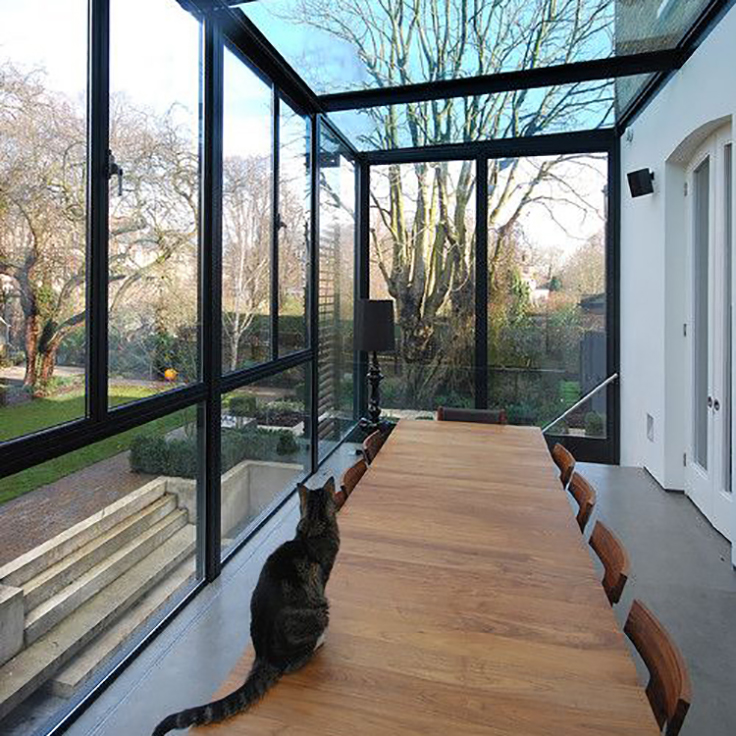
Modern sunroom design ideas balance aesthetics with engineering practicality. Large glass surfaces, minimal frame profiles, and seamless indoor-outdoor transitions are increasingly popular, especially in residential developments and leisure-oriented commercial spaces.
Customizable window configurations allow designers to adapt sunrooms to different architectural styles while maintaining performance standards. For project owners, this flexibility adds value without compromising durability or energy efficiency.
Conclusion
Successful sunrooms with windows are built on system thinking. Window performance, insulation strategy, water resistance, ventilation, and installation quality must be considered as a whole—not as isolated components.
For buyers, choosing reliable window systems, compliant materials, and experienced suppliers ensures that sunroom projects deliver long-term value, regulatory compliance, and user comfort. As demand for high-performance glazed spaces continues to grow, integrated sunroom and window solutions will remain a key focus in modern construction.


