
Aluminum extrusion is the technical foundation of modern aluminum window and door systems. In architecture, the performance of windows and doors depends not just on glass or hardware. It also relies on the precision and stability of the extruded aluminum profiles that make up the frame. High-performance system windows rely on precision extrusion to ensure consistent sealing, alignment, and long-term durability.
Why Extrusion Quality Matters in Aluminum Systems
Extrusion quality defines the structural integrity, dimensional accuracy, and long-term stability of aluminum framed windows. Regardless of glass selection or hardware grade, poorly extruded profiles will limit the overall performance of architectural window and door systems.
For system windows, extrusion is not just a shaping process. It is the foundation that influences sealing efficiency, load resistance, and installation accuracy. Precision extrusion ensures that aluminum window and door systems meet demanding architectural and engineering standards from the source.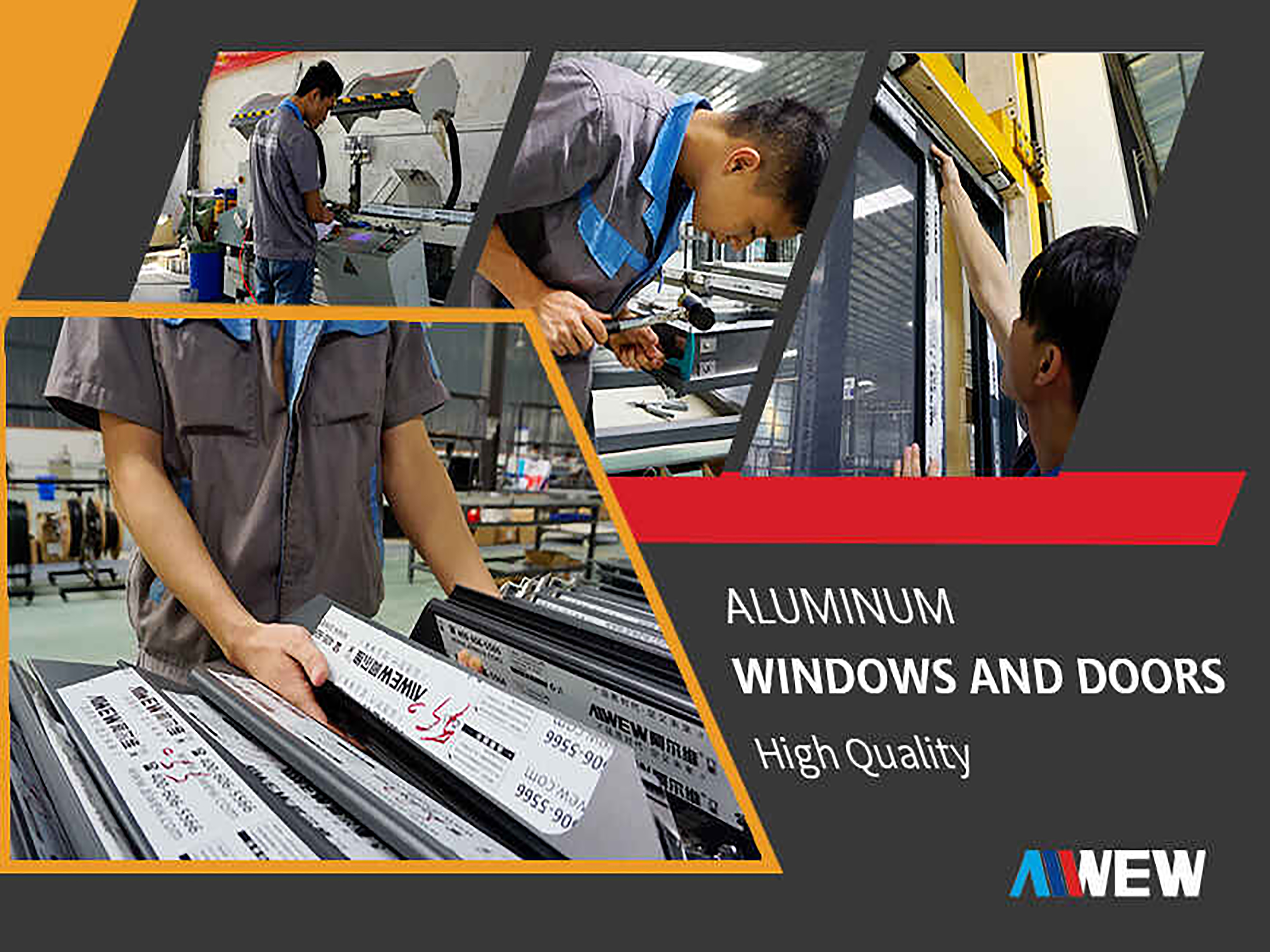
Alloy Selection and Profile Design for System Performance
System performance starts with the correct combination of aluminum alloy selection and profile design. In BAS system design, alloys are chosen not only for strength but also for extrusion stability and surface treatment compatibility.
Aluminum Alloy Grades Used in Window and Door Systems
Common aluminum alloy grades used in window and door systems are engineered to balance strength, corrosion resistance, and formability. These alloys support slim frame window systems while maintaining structural requirements for large openings and high-rise applications. Proper alloy selection also improves consistency during precision aluminum fabrication and downstream machining.
Precision Aluminum Extrusion Process
The extrusion process is the technical core of aluminum window and door systems manufacturing. Precision extrusion ensures profile geometry meets strict tolerance requirements essential for system assembly and performance.
Billet Heating and Extrusion Temperature Control
Billet heating and extrusion temperature control directly affect profile density and dimensional stability. Excessive temperature variation can lead to internal stress, surface defects, and inconsistent wall thickness. Controlled extrusion parameters allow manufacturers to achieve repeatable quality across aluminum window systems, supporting large-scale architectural projects.
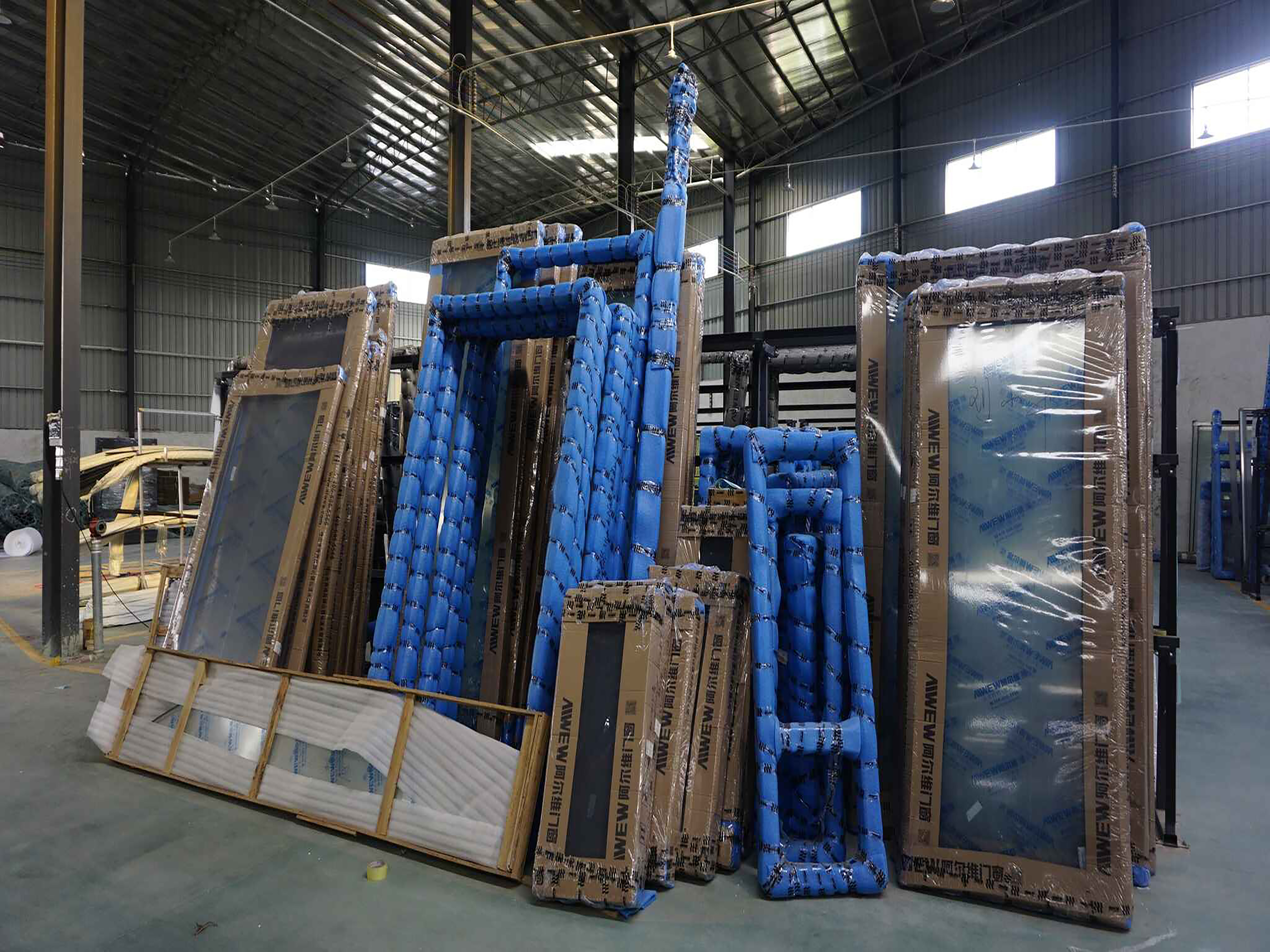
How Extrusion Accuracy Impacts Window and Door Performance
Extrusion accuracy connects manufacturing quality directly to real-world window and door performance. Even minor dimensional deviations can create issues during installation and long-term use.
Fit and Alignment of System Components
Accurate extrusion ensures proper fit and alignment between frames, sashes, and hardware components. In aluminum window and door systems, precise interfaces improve airtightness and watertightness while supporting stable thermal break installation. This accuracy directly enhances thermal insulation performance and reduces on-site adjustment during installation.
Integration with CNC Machining and System Assembly
Extruded profiles become functional systems through CNC machine integration and controlled assembly processes. CNC machining ensures precise hardware slots, drainage paths, and connection points. For aluminum window systems, machining accuracy depends heavily on extrusion consistency.
Well-executed extrusion improves assembly efficiency and ensures compatibility across system components. This integration transforms raw profiles into complete aluminum window and door systems ready for architectural application.
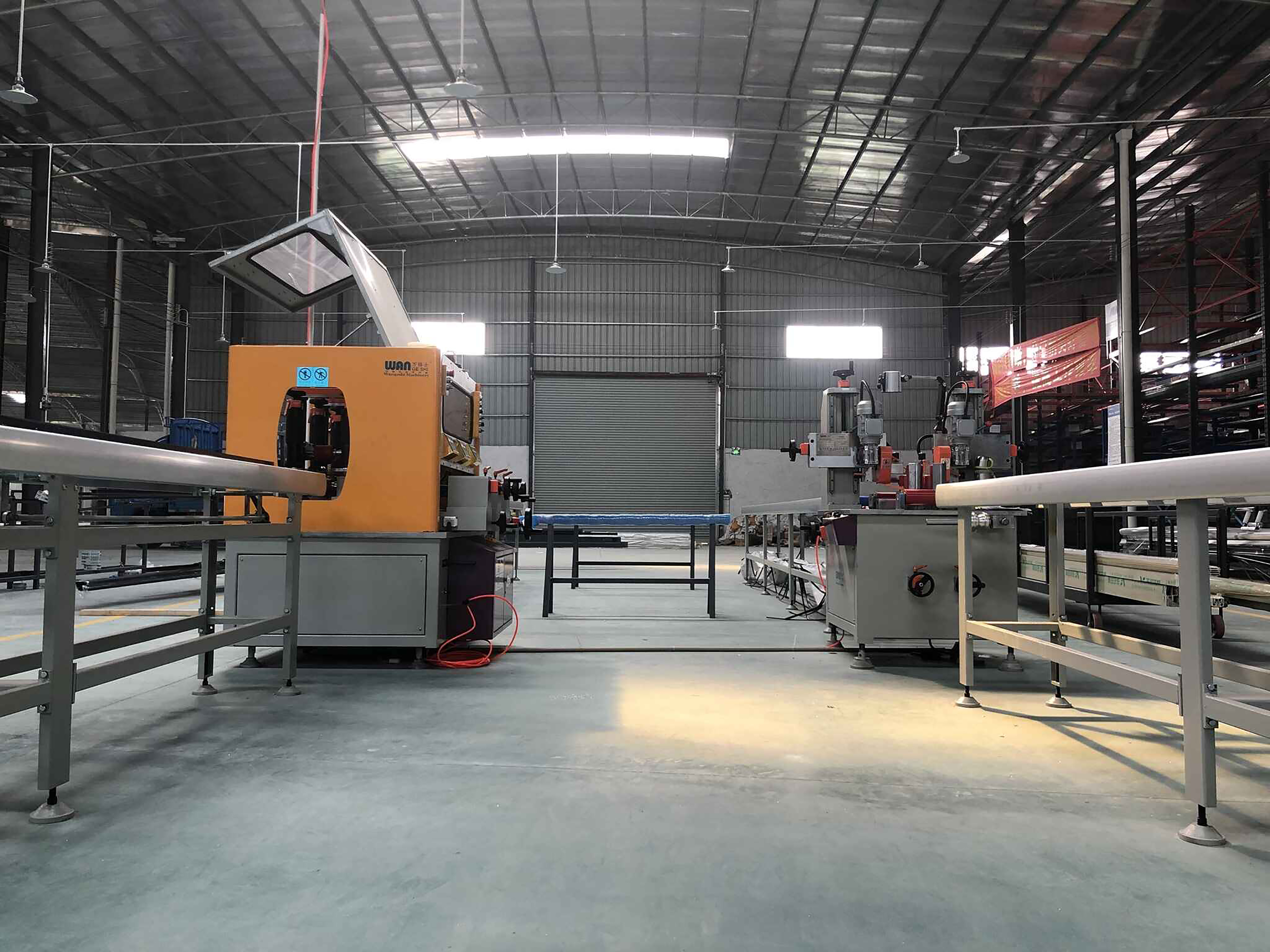
Surface Treatment and Post-Extrusion Processing
Surface treatment is essential for long-term durability in architectural window and door environments. Extrusion quality affects coating adhesion, anodizing consistency, and corrosion resistance.
Stable extrusion profiles support uniform surface treatments, protecting aluminum framed windows from weather exposure and extending service life. In demanding climates, post-extrusion processing becomes a critical part of system reliability.
Quality Control in Extrusion for High-Performance Systems
B2B customers prioritize consistency, traceability, and reliability. Quality control in extrusion includes dimensional measurement, mechanical testing, and finished product inspection. These processes ensure that every profile meets system window requirements.
Finished product inspection verifies extrusion accuracy before machining and assembly, reducing risk across aluminum window and door projects. Strong factory control standards help manufacturers deliver predictable performance at scale.
Why Precision Extrusion Is the Foundation of System Windows and Doors
Precision extrusion is the foundation of high-performance system windows and doors. It ensures long-term structural stability, reduces installation and maintenance issues, and supports reliable performance in architectural applications. Precision extrusion supports customized aluminum window solutions for complex architectural projects.
For developers, architects, and manufacturers, investing in precision extrusion is key. It helps create aluminum window and door systems that meet today's building standards and performance needs.


