
Open living spaces have become a defining feature of contemporary residential design. Across global markets, homeowners and developers increasingly favor layouts that reduce visual barriers, enhance natural light, and encourage fluid movement between interior and exterior zones. This shift reflects not only aesthetic preference but also changes in lifestyle, where living, dining, and outdoor areas function as a connected whole rather than isolated rooms.
In modern housing concepts, openness is no longer limited to floor plans. Windows and openings now play a critical role in shaping how space is perceived and used. For designers, achieving this openness requires careful consideration of how building elements support everyday living without overwhelming the architecture.
The Role of Patio Sliding Windows in Open Space Design
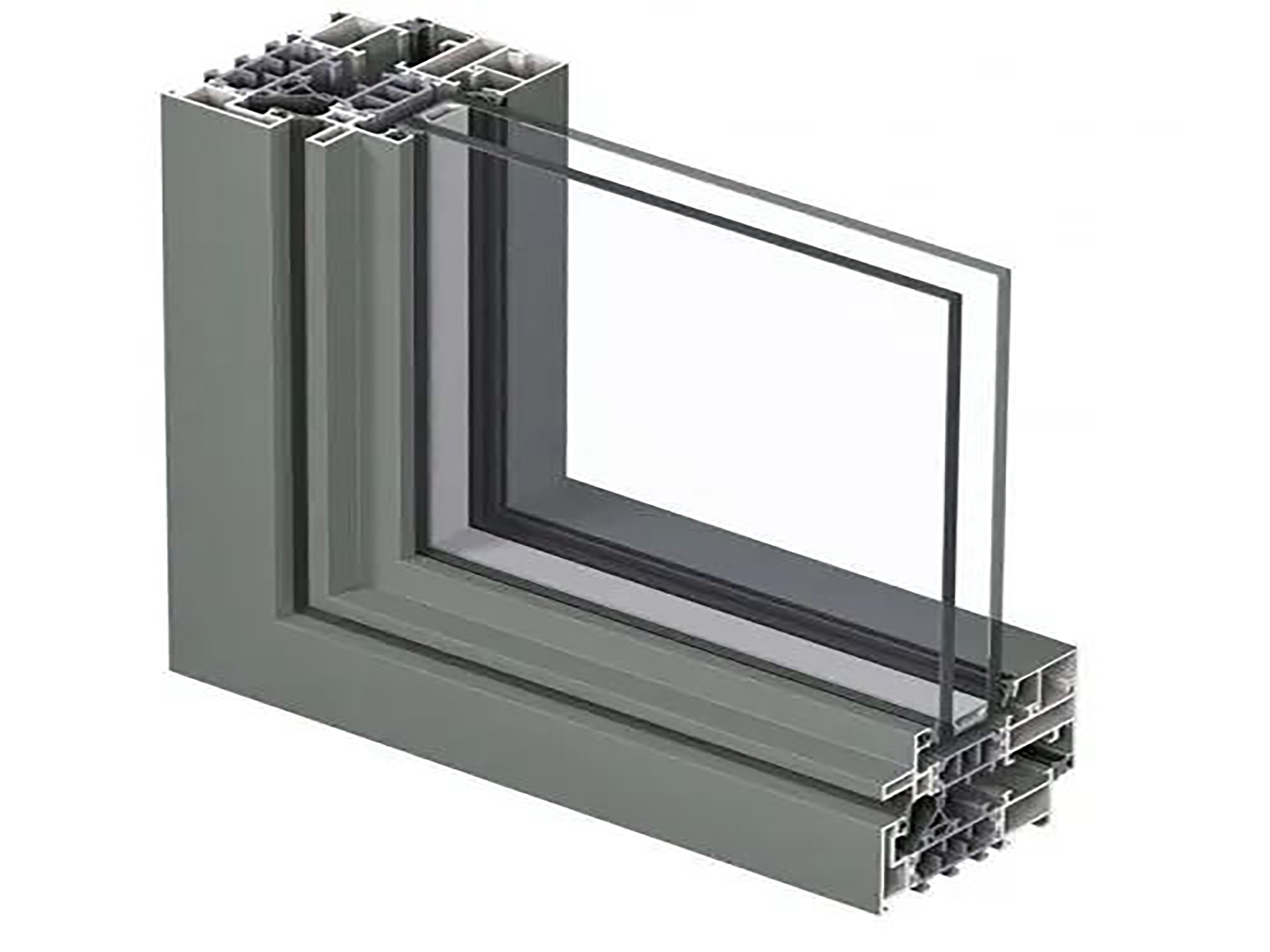
Within this context, patio windows sliding systems act as more than simple openings. They serve as spatial tools that define boundaries while keeping them visually permeable. Unlike traditional windows, sliding patio systems allow large openings without interrupting circulation or furniture layouts, making them especially suitable for open living environments.
By integrating key parts for sliding windows—such as frames, tracks, and panels—into a unified system, designers can maintain visual continuity while enabling flexible access to outdoor areas. This system-based approach allows windows to support spatial flow rather than disrupt it.
Light, Views, and Spatial Flow
Natural light is central to the appeal of open living spaces. Sliding patio windows invite daylight deep into the interior, reducing contrast between indoor and outdoor environments. When paired with carefully positioned openings, they frame views as part of the interior composition rather than as background scenery.
Spatial flow is further enhanced when slim frame windows and minimal window trim are used. Reduced visual mass around the glazing shifts attention to the landscape beyond, reinforcing a sense of openness. In many contemporary home windows, this balance between transparency and structure becomes a key design language that architects rely on to express modernity.

Performance Behind the Design
While visual impact is essential, open living spaces must also perform well in daily use. Sliding patio windows contribute to comfort through thoughtful system design that supports insulation, sound control, and long-term usability. Features such as acoustic double glazing can improve interior comfort without altering the clean appearance of large glazed openings.
Rather than focusing on technical data, designers increasingly value how these systems behave over time—how smoothly they operate, how they support comfortable indoor environments, and how they integrate into the broader architectural concept without drawing attention to themselves.
Application Scenarios
Open living concepts supported by sliding patio windows appear across a wide range of projects. In private residences, living rooms often open directly to gardens or patios, extending usable space outward. In villas and coastal homes, sliding systems help blur the line between interior living areas and surrounding landscapes, reinforcing a relaxed lifestyle.
Modern apartments within large-scale residential development projects also benefit from these solutions, especially where balconies or shared outdoor spaces are involved. Beyond purely residential use, light commercial spaces such as boutique hospitality or mixed-use developments adopt similar approaches to create welcoming, flexible environments.
Designing with Flexibility in Mind
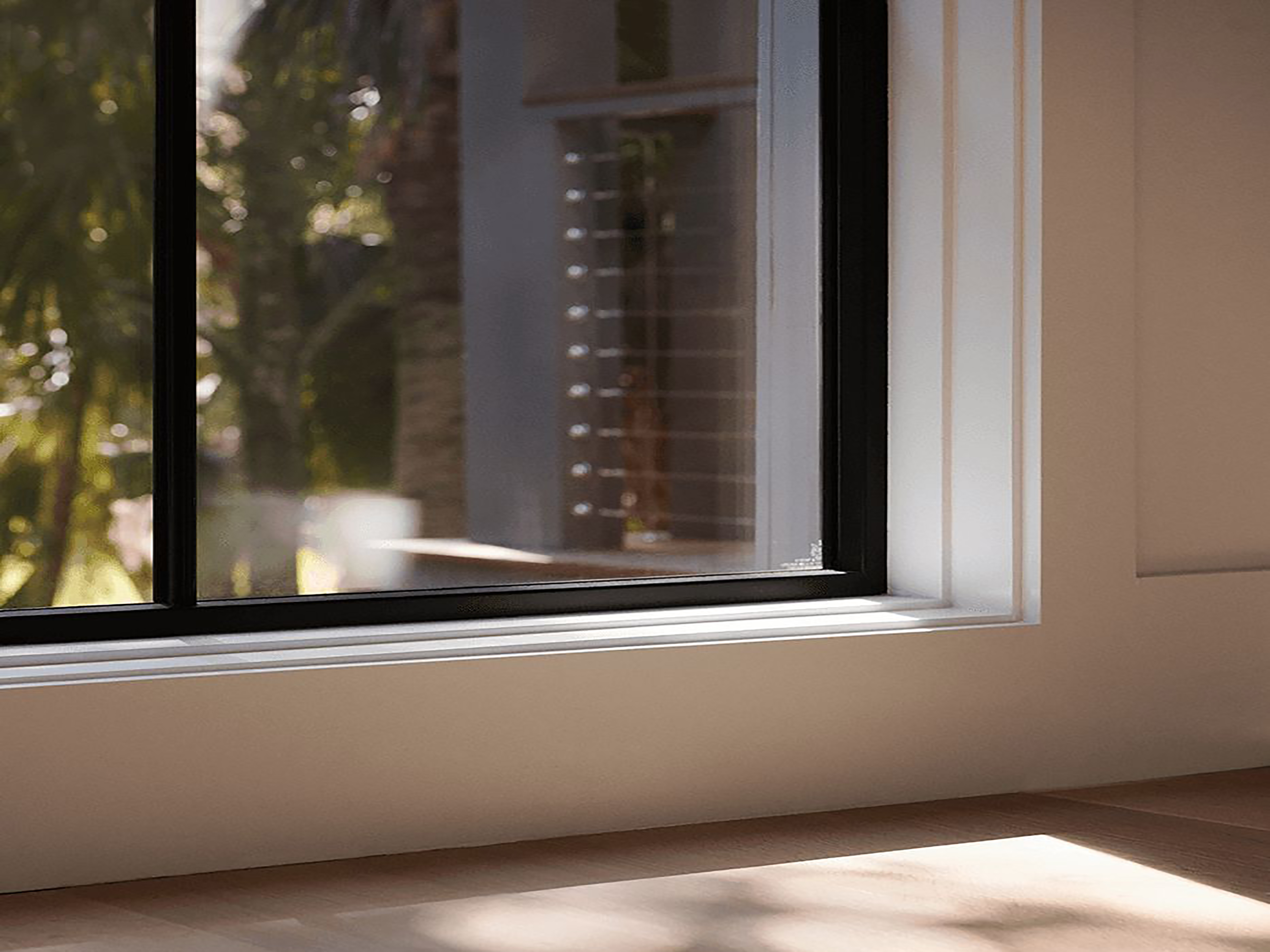
Flexibility is a key reason sliding patio windows remain popular in open living design. Custom sizes and configurations allow systems to adapt to diverse layouts, while a range of frame finishes and glass options helps align windows with the overall architectural style.
When thoughtfully integrated, these systems support indoor–outdoor living without dictating a specific aesthetic. For architects and developers, this adaptability reinforces the value of working with system-oriented solutions that can be tailored to each project rather than forcing design compromises.
Conclusion: Where Design Meets Everyday Living
Designing open living spaces is ultimately about enhancing how people experience their homes on a daily basis. Sliding patio windows contribute by connecting light, views, and movement into a cohesive spatial experience. When treated as part of a holistic system rather than an isolated product, they help bridge the gap between architectural intent and everyday living—where design quietly supports comfort, flexibility, and long-term enjoyment.


