
Why Testing Is Critical for Casement Window Performance
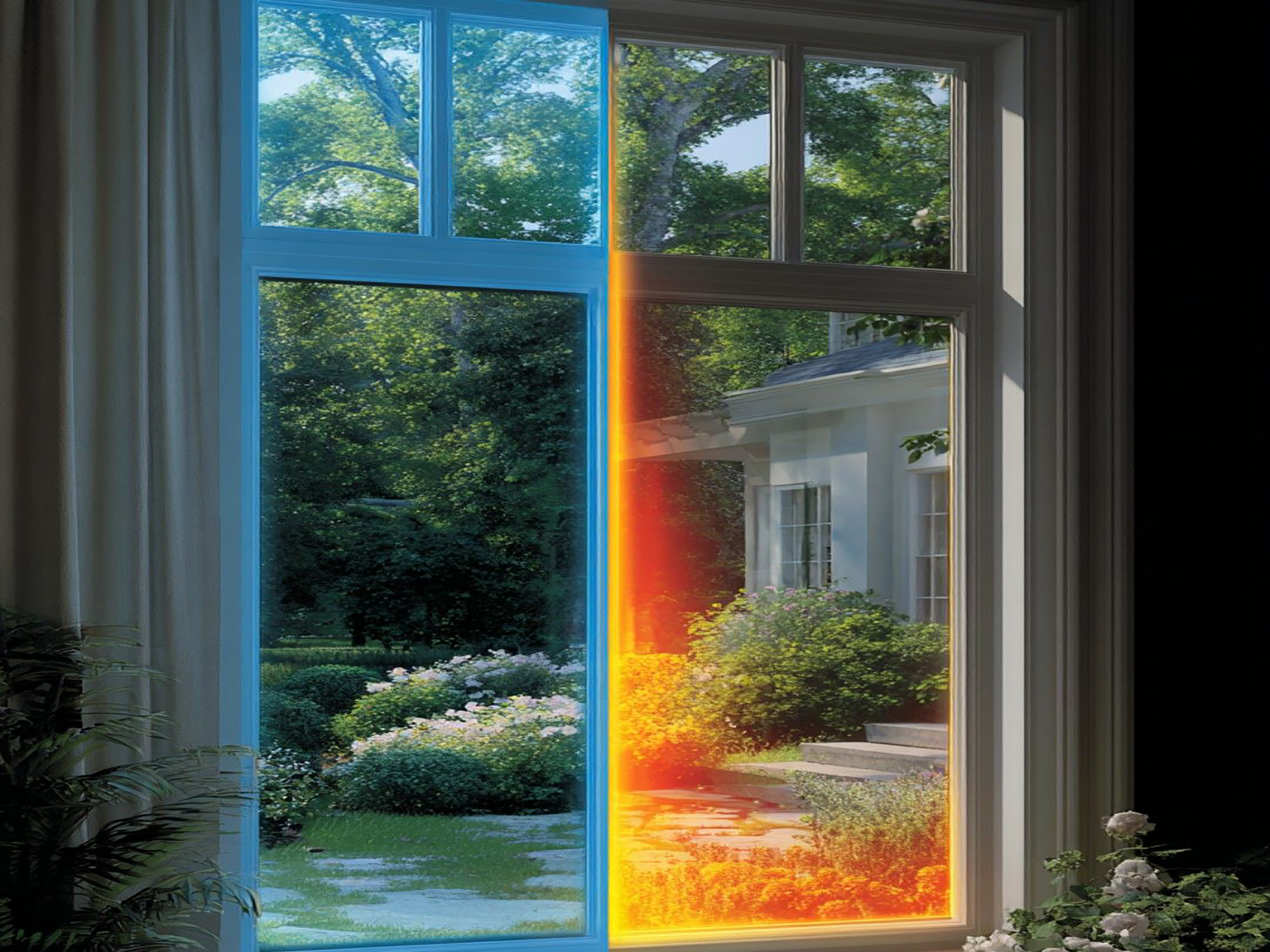
Testing is the direct link between casement window design and real-world performance. While materials and manufacturing quality are essential, inadequate testing often becomes the hidden cause of long-term failures. Without proper validation, even well-designed casement windows can suffer from water leakage, air infiltration, and energy loss through windows once installed in real buildings.
Performance issues rarely appear immediately. Instead, they develop over time as wind pressure, temperature differences, and moisture exposure stress the system. Testing connects laboratory assumptions with actual site conditions, ensuring that every parts of a casement window functions as intended under real operating loads.
Key Parts of a Casement Window Affected by Poor Testing
The parts of a casement window operate as an integrated system. Poor testing in one area often creates performance problems elsewhere, making this section critical for understanding failure mechanisms.
Frame and Sash: Structural and Tolerance Issues
The frame and window sash are responsible for maintaining alignment and structural stability. Insufficient testing of dimensional tolerances can result in frame distortion or sash misalignment. Under wind load or thermal movement, small inaccuracies may cause gaps that compromise airtightness and watertightness.
A storm window frame exposed to fluctuating pressure without validated structural testing may flex excessively, weakening seals and increasing air leakage over time.
Sealing Gaskets and Weatherstrips
Sealing components are highly sensitive to testing quality. Without proper air infiltration test procedures, gasket compression levels may be incorrectly specified. This leads to premature aging, uneven contact pressure, and eventual loss of sealing effectiveness.
Poorly tested weatherstrips often perform adequately in static conditions but fail under repeated opening cycles or temperature changes.
Glazing and Interface Zones
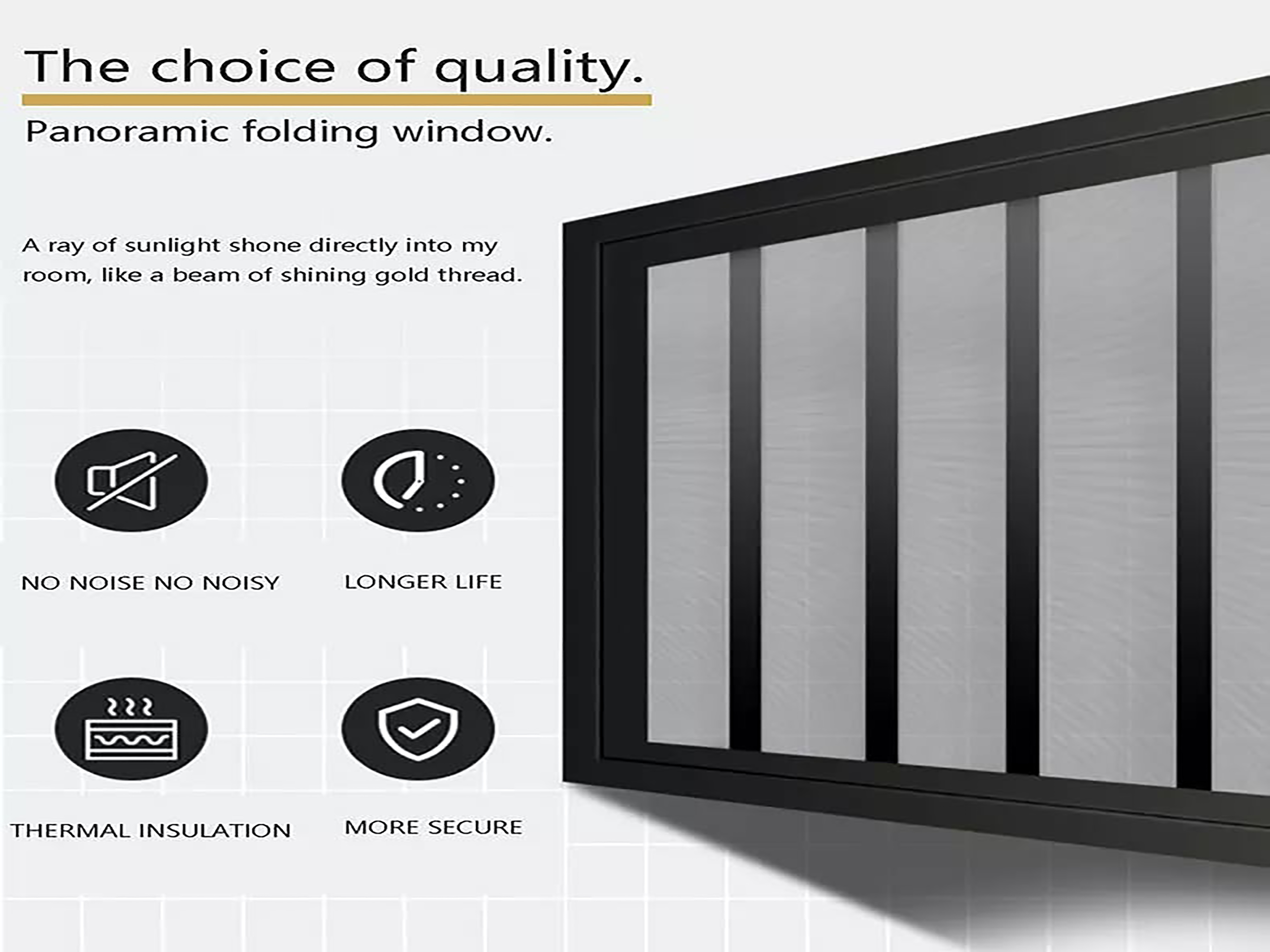
Architectural glazing systems rely on precise interface compatibility between glass, spacers, and frame profiles. When glazing interfaces are not fully validated through testing, micro-gaps can form. These gaps allow moisture intrusion and thermal bridging, reducing overall insulation performance.
Improper glazing support testing may also lead to stress concentration and sealant fatigue.
Drainage System and Corner Joints
Drainage paths and aluminum window corner joint areas are among the most overlooked elements in window testing. Inadequate validation of drainage efficiency allows water to accumulate inside the frame. Over time, this moisture can migrate into interior spaces or damage insulation components.
Corner joints that are not tested for pressure-driven water flow may fail even when the rest of the window performs acceptably.
How Poor Testing Leads to Water Leakage
Water leakage is one of the most visible consequences of poor testing. Without proper water penetration testing, windows may pass basic inspections but fail under wind-driven rain. Water often enters through untested interface zones, drainage blockages, or insufficiently sealed corner joints.
Once water breaches the exterior barrier, it can travel along internal profiles, making leak detection difficult and increasing long-term damage risk.
How Poor Testing Results in Energy Loss
Energy loss through windows is frequently linked to inadequate testing of air and thermal performance. When thermal performance testing is skipped or simplified, thermal bridges may remain undetected. Air leakage caused by insufficient air infiltration test protocols allows conditioned indoor air to escape, increasing heating and cooling loads.
Over time, these inefficiencies significantly impact building energy consumption and occupant comfort.
Testing Standards Often Overlooked in Casement Windows
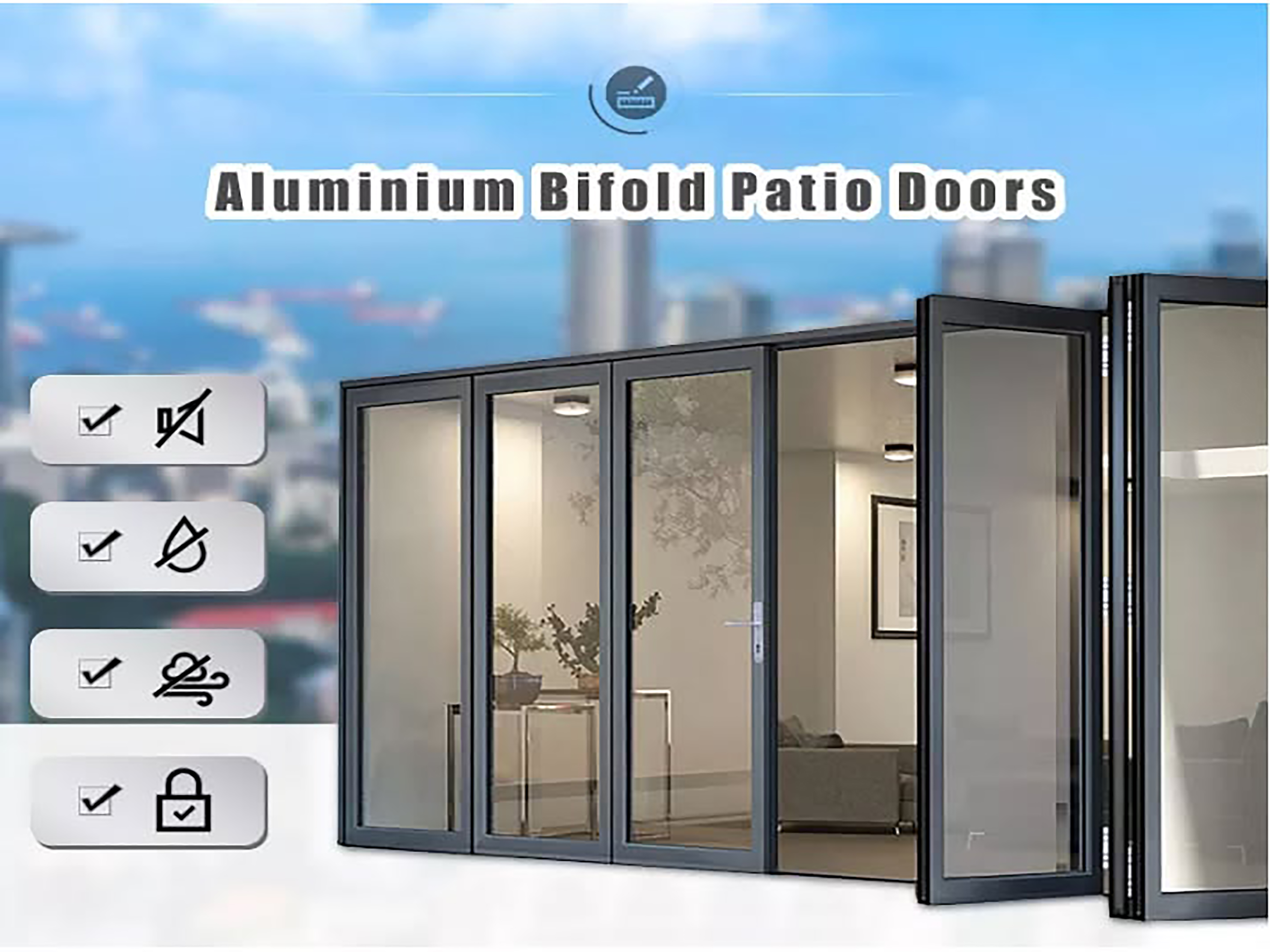
Many casement windows are tested only for basic compliance, overlooking critical performance scenarios. Partial water testing, limited thermal cycling, and incomplete air leakage evaluation are common issues. In some cases, only individual components are tested rather than the complete window system.
For B2B projects, overlooking comprehensive testing increases risk during installation, inspection, and long-term operation.
How Proper Testing Prevents Water and Energy Loss
Proper testing validates the interaction between all parts of a casement window. Comprehensive water penetration testing confirms drainage and sealing reliability. Accurate air infiltration test procedures ensure airtight performance. Full thermal performance testing identifies insulation weaknesses before production.
By addressing these factors early, manufacturers and project teams reduce water leakage risk, minimize energy loss through windows, and deliver more reliable long-term performance without relying on corrective measures after installation. Proper testing helps deliver tested window solutions for projects with long-term reliability.


