
Selecting aluminum doors and windows for construction projects requires more than aesthetic considerations. Climate conditions directly influence thermal performance, corrosion resistance, structural safety, and lifecycle cost. According to global building performance studies, more than 35% of envelope-related failures are caused by incorrect climate-based material selection. For developers and contractors, aluminum doors and windows must be specified as part of a complete building envelope system.
This article explains how climate data, testing standards, and engineering specifications should guide window and door selection across different regions.
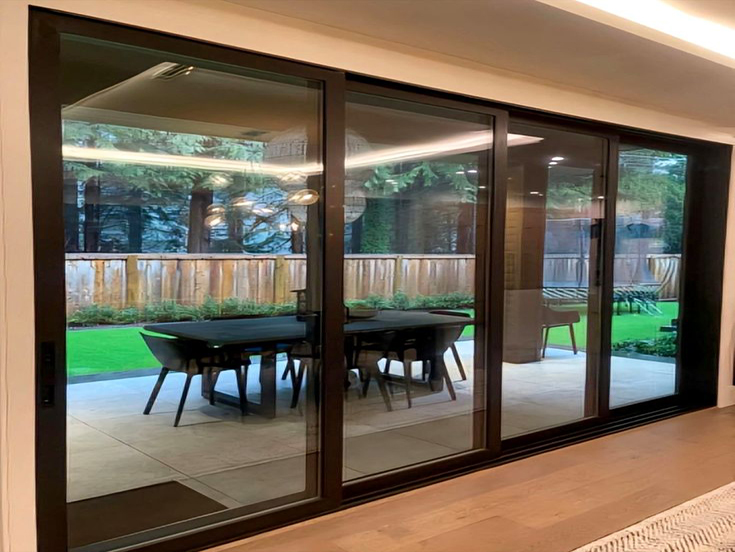
Core Climate Challenges for Doors and Windows
Climate impacts aluminum doors and windows through temperature load, humidity, wind pressure, salt exposure, and seismic movement. In extreme conditions, surface temperature differences can exceed 40–60°C, placing stress on frames and glazing. Wind loads in coastal or typhoon regions may reach 2.5–4.0 kPa, requiring reinforced profiles and anchoring systems.
A climate responsive building design approach treats aluminum doors and windows as performance components rather than decorative elements, reducing long-term maintenance and operational energy use by up to 20–30%.
High-Temperature Regions (Middle East / Southeast Asia)
In hot climates, solar heat gain is the primary challenge. Studies show that up to 70% of unwanted heat gain enters buildings through glazed areas when standard systems are used.
To address this, aluminum doors and windows should include thermal break profiles with a minimum PA66 insulation width of 24–34 mm and low-E glass with a solar heat gain coefficient (SHGC) below 0.35. Proper aluminium window specification ensures dimensional stability even when exterior surface temperatures exceed 70°C.
Using thermally optimized systems can reduce cooling energy consumption by 15–25% in high-temperature regions.
High-Humidity and Coastal Areas (Corrosion Resistance)
Coastal and tropical environments expose aluminum systems to moisture and salt, accelerating corrosion. In these regions, corrosion-related failures account for nearly 40% of window system replacements within 10–15 years.
The best windows for coastal areas must use powder coating or anodizing systems that pass salt spray resistance testing of at least 1,000–2,000 hours under ASTM B117 or ISO 9227 standards. Marine-grade hardware and sealed glazing units further reduce oxidation risk.
Well-specified aluminum doors and windows in coastal areas can extend service life by 8–12 years compared to untreated systems.
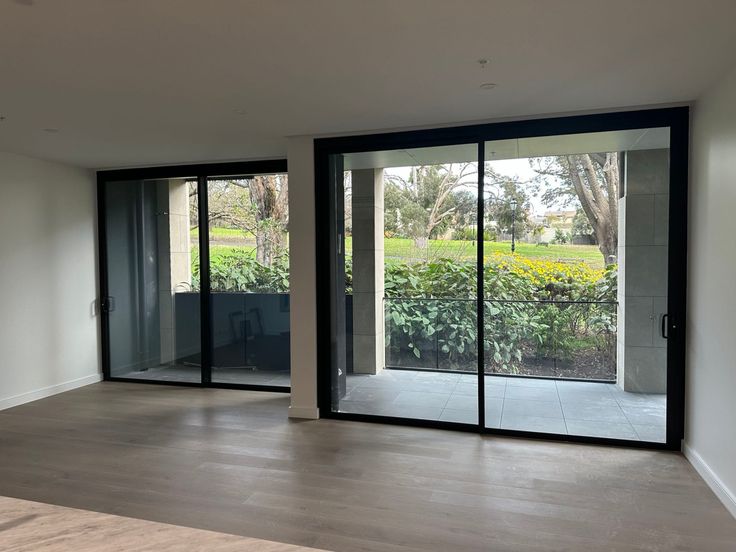
Cold and High Temperature-Difference Regions (Thermal Insulation)
In cold climates or regions with large temperature fluctuations, heat loss and condensation are major concerns. Poor insulation can increase heating energy demand by 30% or more.
High-performance aluminum doors and windows should feature multi-chamber thermal breaks and double or triple glazing with U-values as low as 1.2–1.6 W/m²K. Projects exporting to Europe often require CE certified aluminum windows, ensuring compliance with air tightness, water resistance, and thermal performance benchmarks.
Effective thermal systems reduce condensation risk and improve occupant comfort during extreme winters.
Recommended Systems for Wind, Hurricane, and Seismic Zones
In storm-prone regions, hurricane-resistant windows installation is essential. Impact-rated aluminum systems are tested for wind pressures exceeding ±4.5 kPa and debris impact speeds above 50 km/h.
For earthquake-prone areas, aluminum doors and windows must comply with seismic design standards, allowing controlled frame movement without glass breakage. Flexible anchoring and reinforced corners help systems absorb structural displacement during seismic events.
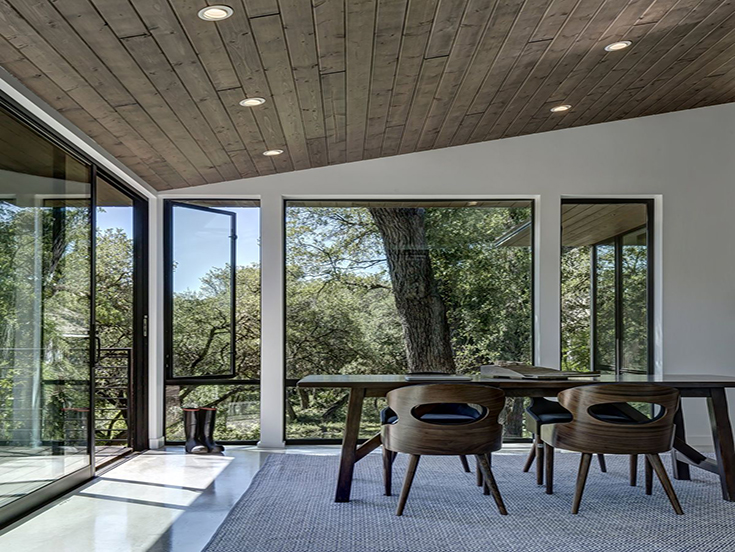
Project-Based Selection for Engineering Applications
For large-scale or multi-region projects, standardized evaluation criteria help reduce risk. Developers should assess aluminum doors and windows based on climate compatibility, test certifications, system integration, and lifecycle cost.
A good building envelope system makes sure that aluminum doors and windows fit well with walls, roofs, and insulation. This systems-based approach improves building resilience and simplifies maintenance over time.
Aluminum doors and windows are a good choice. They work well in different climates and meet testing standards. They also fit project needs. These products offer long-lasting performance, safety, and energy efficiency.


