
In modern residential and mixed-use buildings, large sliding patio doors are frequently used to create expansive openings and maintain uninterrupted visual connections. These systems typically feature multi-panel configurations, long spans, and heavy glass units, which significantly increase both structural load and movement sensitivity. Compared with standard sliding patio doors, large openings are more exposed to wind pressure, water impact, and thermal expansion. At the same time, tight construction schedules leave little room for on-site correction, making performance risks more difficult to manage once installation begins.
Common Performance Risks Observed in Real Projects
Water Leakage at Track and Drainage Areas
Water leakage is one of the most frequently reported issues in patio door projects. In many cases, the root cause lies in improper drainage design or insufficient slope control within the door track system. When installation tolerances are exceeded, water accumulates at the track instead of being discharged, increasing the risk of leakage during heavy rain or wind-driven exposure.
Air Infiltration and Poor Thermal Performance
Air infiltration often results from incomplete sealing strategies or uneven gasket compression. Under load, frame deformation can compromise contact between panels and seals, reducing overall thermal performance. This issue becomes more visible in large sliding patio doors where panel weight and span amplify structural movement.
Structural Deflection and Panel Misalignment
Long-span openings place high demands on the load bearing door frame. Without adequate reinforcement or accurate load calculation, aluminum frames may deflect over time. This leads to panel misalignment, uneven gaps, and difficulty maintaining consistent operation across multiple panels.
Noise and Sliding Resistance After Installation
Operational resistance and noise transmission are common complaints after project handover. These issues are often linked to mismatched hardware selection, contamination within the track, or tolerance stacking across components. Even minor deviations can significantly affect sliding smoothness in large systems.
Design-Stage Risk Control Before Production
Effective risk management begins at the design stage. Door system design should be selected based on opening dimensions, panel weight, and expected load conditions rather than appearance alone.
Structural calculations help determine reinforcement requirements for frames and tracks. Drainage paths must be clearly planned to manage water flow, while sealing layouts should ensure controlled gasket compression across all panels. This systematic approach is a key distinction between a system-focused manufacturer and a conventional door supplier.
Manufacturing Risks During Frame and Panel Production
During production, consistency becomes critical. Variations in aluminum profile batches can affect dimensional stability and assembly accuracy. Tight tolerance control is essential to ensure proper alignment during installation.
Surface finish quality and color uniformity also influence perceived quality, especially in visible areas. In parallel, hardware compatibility must be verified to avoid operational resistance once panels are assembled.
Installation Risks That Impact Final Performance
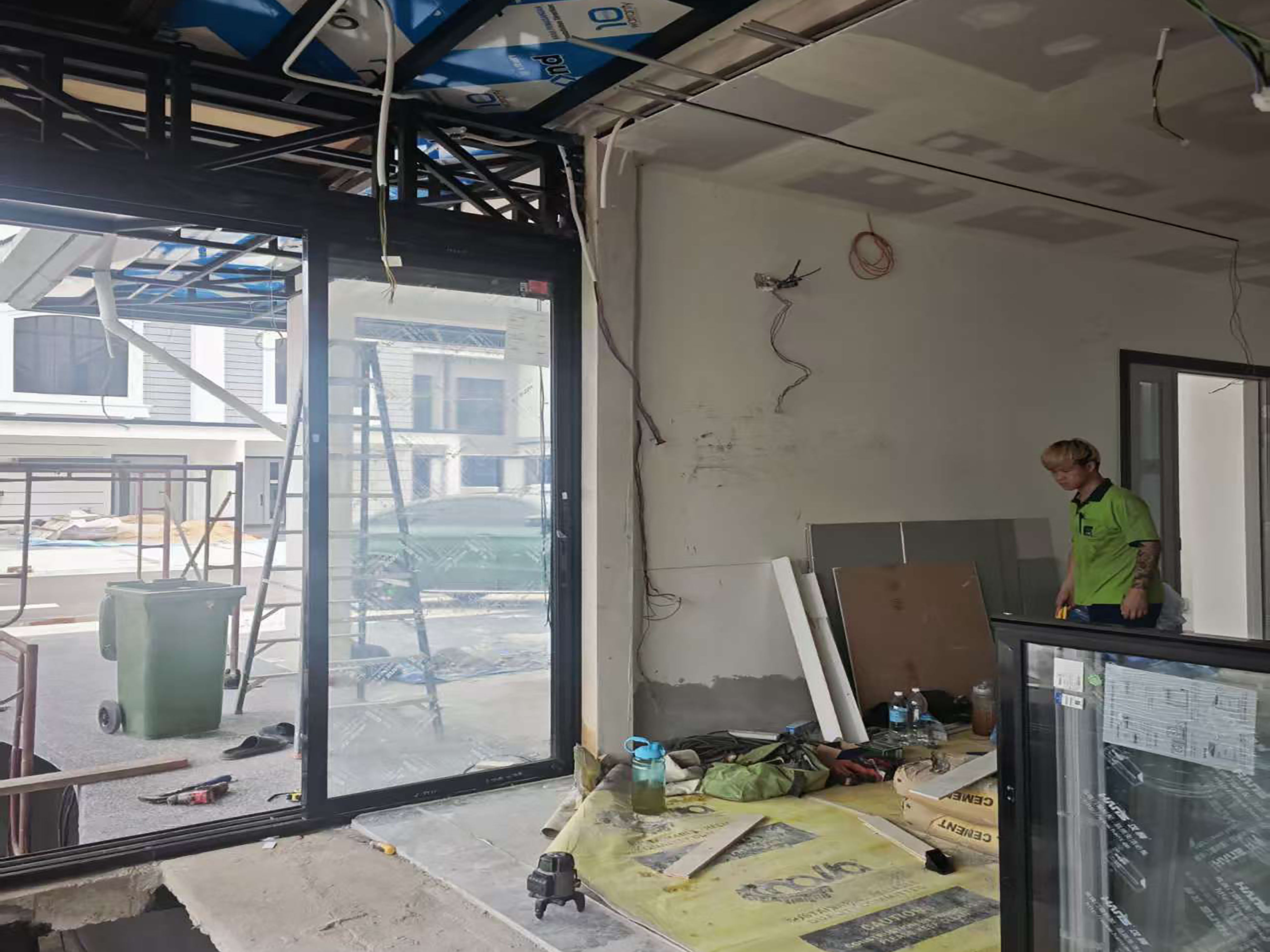
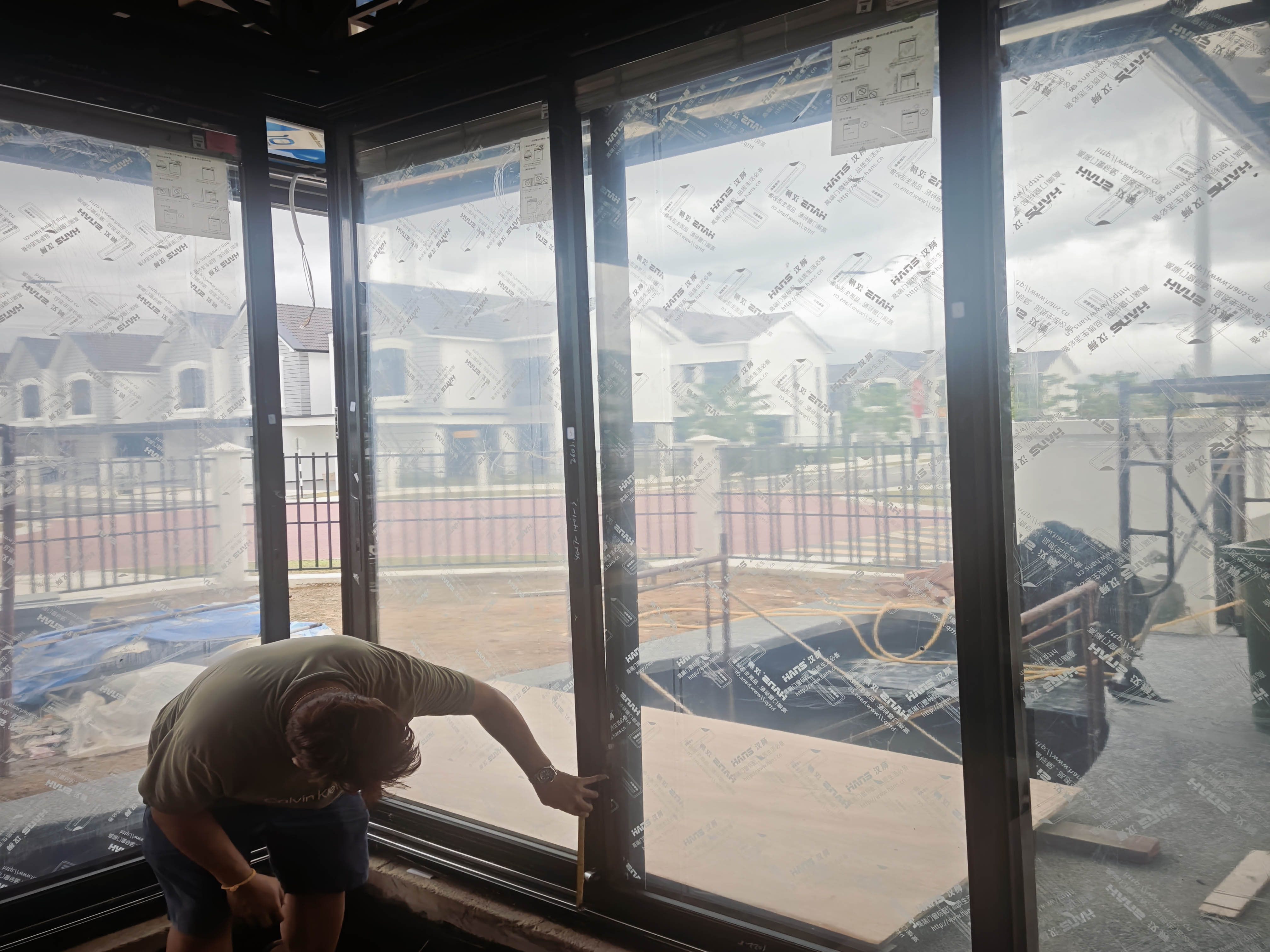
Even a well-designed system can fail without proper patio door installation. Track levelness and alignment directly affect drainage and sliding performance. Frame fixing methods, anchor spacing, and substrate conditions must be coordinated with on-site construction realities. Panel adjustment and sealing calibration are final but critical steps to achieve stable operation and long-term performance.
Project-Level Testing and Inspection Procedures
Before final acceptance, function testing of door systems is essential. Water tightness testing helps identify drainage or sealing issues under simulated conditions. Sliding smoothness and operational force measurements reveal resistance problems early. Visual alignment checks and on-site mock-up comparisons ensure that performance and appearance meet project expectations.
Risk Management Benefits for Project Stakeholders
Effective performance risk management reduces rework, warranty claims, and schedule disruptions. For developers and contractors, predictable installation outcomes improve coordination across trades. For end users, better air infiltration control, reduced noise transmission, and stable thermal performance translate into long-term comfort and satisfaction.
From Risk Identification to Reliable Project Delivery
Managing performance risks in large sliding patio door projects requires a system-level mindset. From early design coordination to controlled manufacturing and precise installation, each stage influences final performance. When risks are identified and addressed proactively, sliding patio doors can deliver reliable operation, durability, and project confidence rather than post-installation challenges.


